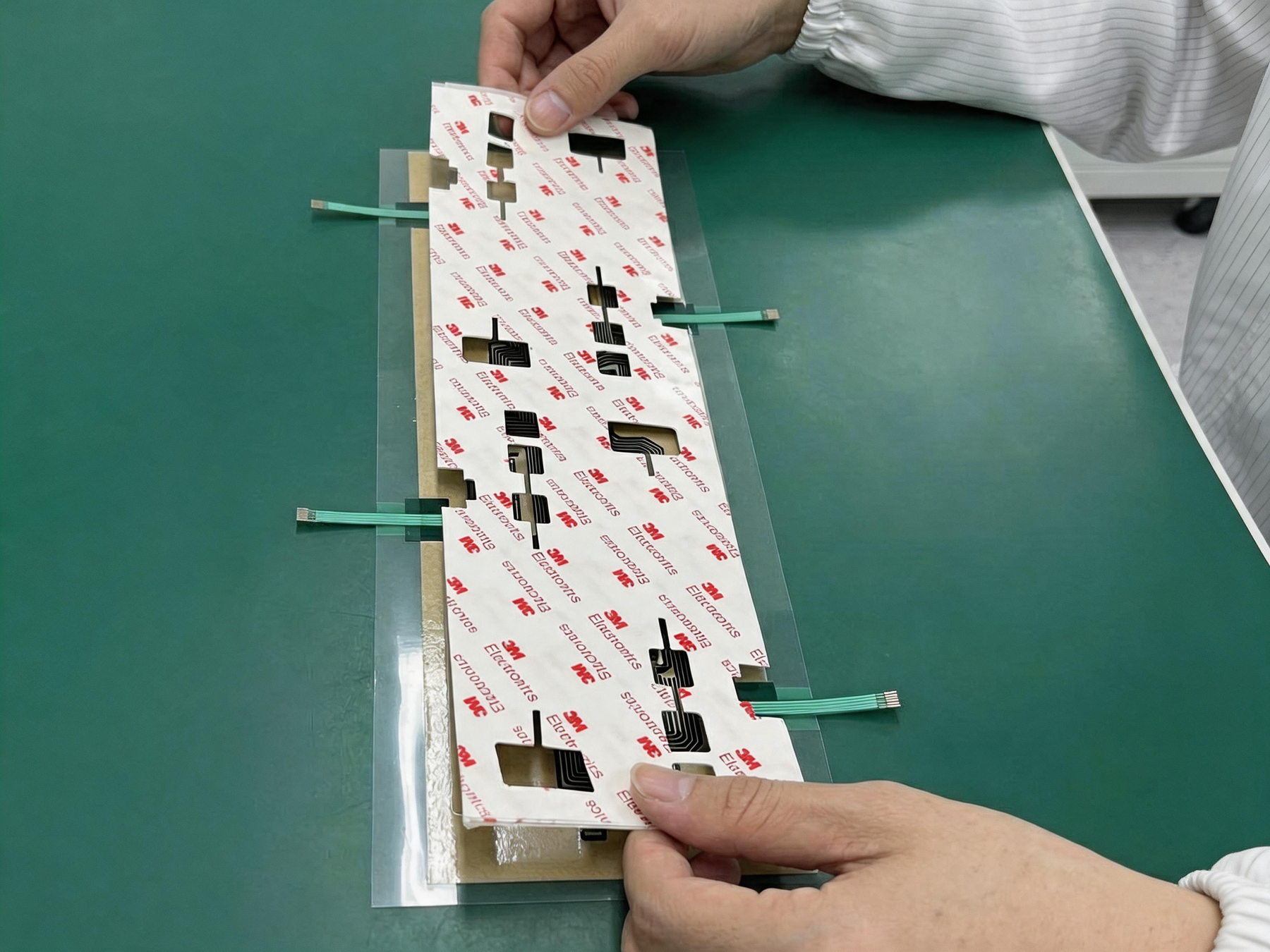
When a buyer asks for a custom membrane switch quotation, the fastest replies usually come from clear, ordinary project details. A perfect drawing is helpful, but it is not the only thing a factory needs. The use environment, housing surface, cable route, and expected button feel can change the structure and cost.
Below is the information we prefer to confirm before making samples. It helps avoid a common problem: the first price looks acceptable, but the sample then changes because one important detail was missing.
Send the drawing, but also send the product context
If you already have a 2D drawing, artwork file, or old sample, send it first. Then add a short note about where the switch will be used. A control panel for indoor equipment, a medical device, a vehicle accessory, and an outdoor instrument may look similar on paper, but the material and adhesive choice can be different.
Useful context includes:
- Product application and working environment.
- Indoor or outdoor use.
- Whether the panel may touch water, oil, alcohol, cleaning liquid, or dust.
- Whether users may press it with gloves.
Confirm size, quantity, and version stage
A quotation for 20 samples is not the same as a quotation for 5,000 production pieces. If the project is still at prototype stage, say so. If the drawing is already frozen for mass production, say that too.
For early projects, it is normal to leave some details open. In that case, the factory can quote with assumptions, but those assumptions should be written down so both sides know what may change later.
Show the housing or mounting surface
The adhesive is often selected after checking the housing material. Plastic, metal, glass, powder-coated surfaces, and textured surfaces do not behave the same. A simple photo of the mounting area can save several rounds of questions.
If possible, confirm:
- Housing material.
- Flat or curved surface.
- Surface texture or coating.
- Available bonding area around the keys and window.
Mark the tail exit and connector
Many membrane switch problems start at the tail. The circuit tail needs enough room to bend, exit the housing, and connect without stress. If the tail route is tight, it is better to discuss it before tooling or sampling.
For the connector, send a part number if you have one. If not, describe the pitch, pin count, and mating board position. A photo of the old connector is also useful.
Describe the button feel
Some buyers only write "tactile keys" in the inquiry. That is a start, but it does not fully describe the feel. A metal dome, embossed key, silicone keypad, or flat non-tactile area can all give a different user experience.
If button feel matters, mention:
- Tactile or non-tactile.
- Expected actuation force if known.
- Embossed or flat keys.
- Whether users need to feel the key through gloves.
Do not hide known risks
If the old part failed, say how it failed. Edge lifting, cracked tail, weak printing, water leakage, poor click feel, or unstable electrical contact all point to different design checks. This information helps the supplier quote a better structure instead of copying the old problem.
A practical inquiry checklist
Before asking for price, try to include:
- Drawing, artwork, or sample photos.
- Product use and environment.
- Size and target quantity.
- Housing material or mounting photo.
- Connector and tail direction.
- Button feel requirements.
- Window, LED, backlight, or waterproof requirements.
- Any failure history from the previous version.
A good quotation is not only a number. It should also make clear what structure is being quoted. That makes sampling faster, reduces avoidable changes, and gives both sides a better chance of reaching stable production.
Need help reviewing a structure?
Send your drawing, photos, application, and quantity. Baoshengda can help check the structure before sampling.
Send Drawing for Quote